Usual Blunders When Pitching a Rain Fly
A rain fly is the solitary piece of equipment standing between you and a soaked, miserable night in the backcountry. It seems easy sufficient: curtain it over your camping tent, stake it down, and call it a day. However an unexpected number of campers-- experienced ones included-- make small errors that transform a rain fly from a trustworthy shield right into a dripping, flapping responsibility. Below are one of the most common errors individuals make when pitching a rain fly, and just how to prevent them.
Not Accomplishing Correct Tension
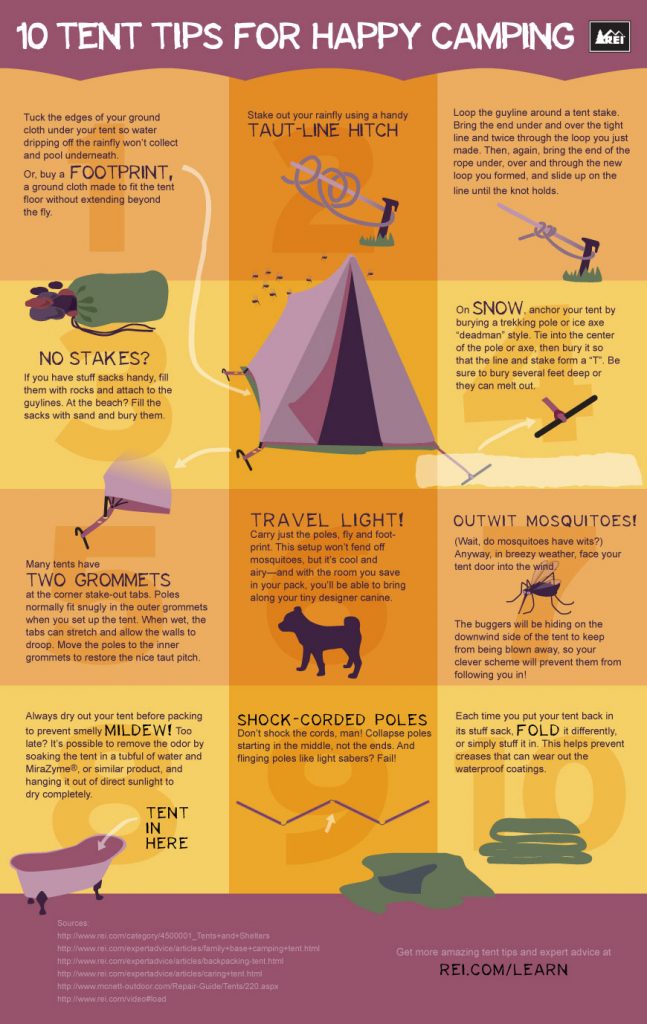
Among the biggest wrongdoers behind a failed rainfall fly is relaxed fabric. When a fly isn't drew tight, it sags, and drooping textile gathers merging water instead of shedding it. Throughout a stormy night, that pooled water adds weight, extends the product even more, and can eventually permeate with seams or drip directly onto your camping tent body. To prevent this, stake out every guyline and tensioner totally, after that walk around the outdoor tents and visually look for any type of loose or curly sections. A properly pitched fly needs to look nearly drum-tight, with no textile touching the camping tent wall surfaces beneath.
Ignoring the Instructions of the Wind and Rain
Several campers pitch their camping tent and fly without considering which method the weather is most likely to move. If the door or the fly's biggest opening faces directly right into dominating wind and rain, water can be increased and under the fly, despite exactly how well it's staked. Prior to setting up, take a moment to observe wind patterns, inspect the projection, and orient the tent so the lowest, most enclosed side of the fly faces the incoming weather condition. This little change can make a remarkable distinction in how much dampness gets in.
Arrangement Mistakes That Compromise Waterproofing
Allowing the Fly Touch the Tent Body
A rainfall fly works through the concept of separation-- rainfall hits the external fly, runs down, and trickles away from the camping tent without ever before touching the inner outdoor tents fabric. When the fly droops or is pitched also near to the outdoor tents body, water can wick with at call points, soaking the internal tent although the fly itself is doing its job. This is particularly common with ultralight or single-wall-style configurations where fabric resistances are tighter. Always verify that there's a noticeable air space between the fly and the outdoor tents walls, especially at the corners and along the ridge line.
Missing or Mistreating Guylines
Guylines aren't optional additionals; they're important to a secure, weatherproof pitch. Missing them totally, or affixing them freely "simply in case," is a typical faster way that backfires in wind and rain. Without appropriate guyline tension, the fly can flap violently, work risks loose, and develop voids where wind-driven rainfall sneaks in. Make the tent maintenance effort to scout all man points, adjust tensioners evenly, and re-check them as soon as the textile has actually had an opportunity to work out, especially if the fly is new and the textile hasn't totally loosened up yet.
Selecting the Wrong Stake Angle
Stakes driven straight down supply much much less holding power than risks angled away from the camping tent at approximately 45 degrees. This is a refined blunder, however it matters most precisely when you need it-- throughout a tornado with high winds. Incorrectly angled stakes can pull free, collapsing tension across the entire fly and exposing your outdoor tents to straight rainfall. Finding out the right staking angle for your ground conditions, and lugging risks fit to soft or rocky surface, stops this typical failure point.
Neglecting Site Option and Ground Prep
Pitching in a Reduced Area
Even a perfectly tensioned, well-staked rainfall fly can not compensate for an inadequate camping area option. Setting up in an all-natural anxiety or low-lying area suggests water will certainly pool around and possibly under your tent, despite how excellent your fly is. Look the location initially, search for subtle high ground, and stay clear of apparent drainage courses, even if the area looks flat and comfortable in the beginning glimpse.
Failing To Remember to Clear Particles Underneath
Sharp sticks, rocks, or pinecones left under an outdoor tents impact can create little punctures gradually, and those punctures endanger the fly's capability to keep water out. Always clear the ground thoroughly prior to pitching, and consider making use of a footprint or ground cloth sized suitably to the tent for added protection.
Last Thoughts
Pitching a rain fly properly is a skill that boosts with method and focus to information. A lot of mistakes boil down to rushing the arrangement or ignoring just how much little mistakes-- loose stress, poor positioning, skipped guylines-- can intensify during genuine weather. Taking a couple of extra mins to pitch attentively can be the difference in between a completely dry, comfortable evening and a long, wet one.